

The colors of literature - White
Perverted by ink

We are born with white already interpreted. Purity, innocence, beginning. The wedding dress, the first snow, the blank page not yet spoiled. White as a before-state, before the fault, before the word, before colour.
Before the mark.
An innocence already suspect. It may be the only colour that comes with instructions.
Writers did not follow them.
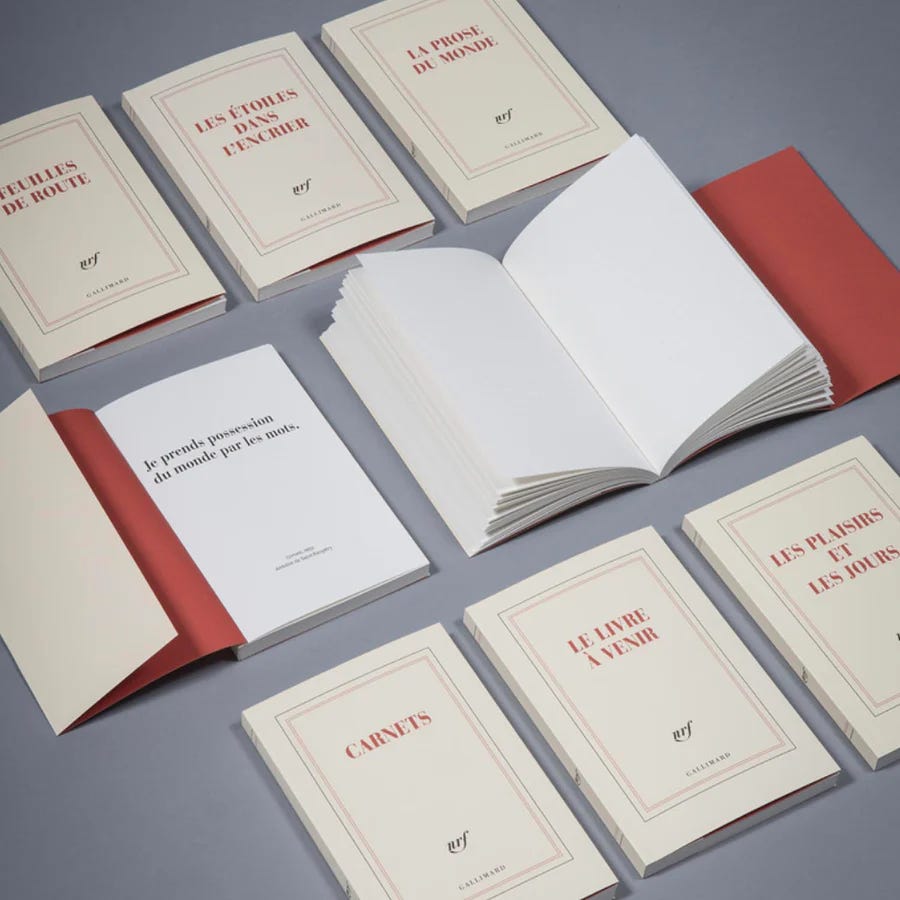
Gallimard’s Collection Blanche has existed since 1911. No image, no visual seduction: a red border, a name, a title, a white background. What matters is inside.
First reversal. This white is anything but innocent. Haughty. Exclusive. Almost mute. It turns its back on the reader waiting to be taken in. Quiet arrogance. Closure disguised as openness. Editorial silence.
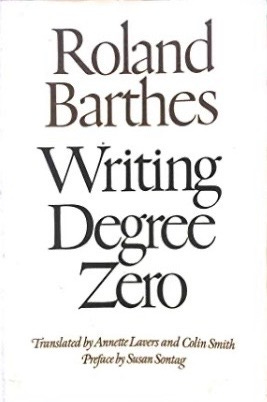
In 1953, Roland Barthes publishes Writing Degree Zero. White writing: a flat, neutral, unadorned language. Albert Camus as its central figure. The Stranger opens: “Mother died today.” No affect. White.
This white is not innocent either. Constructed. Deliberate. Achieved by withdrawal. A language stripped to the bone. Withdrawing from language takes work, takes effort. Discipline. Asceticism. A gentle violence done to expression.
Herman Melville looks at white and steps back. In Moby-Dick, an entire chapter devoted to the whale’s whiteness. Not its size, not its strength. The colour alone. This white terrifies because it can mean anything: purity, death, God, nothingness. Too much meaning at once. Illegible. Ishmael finally names what has undone him: not what white means, but that it can mean everything. The mute void of the world. Innocence does not hold. It yields.
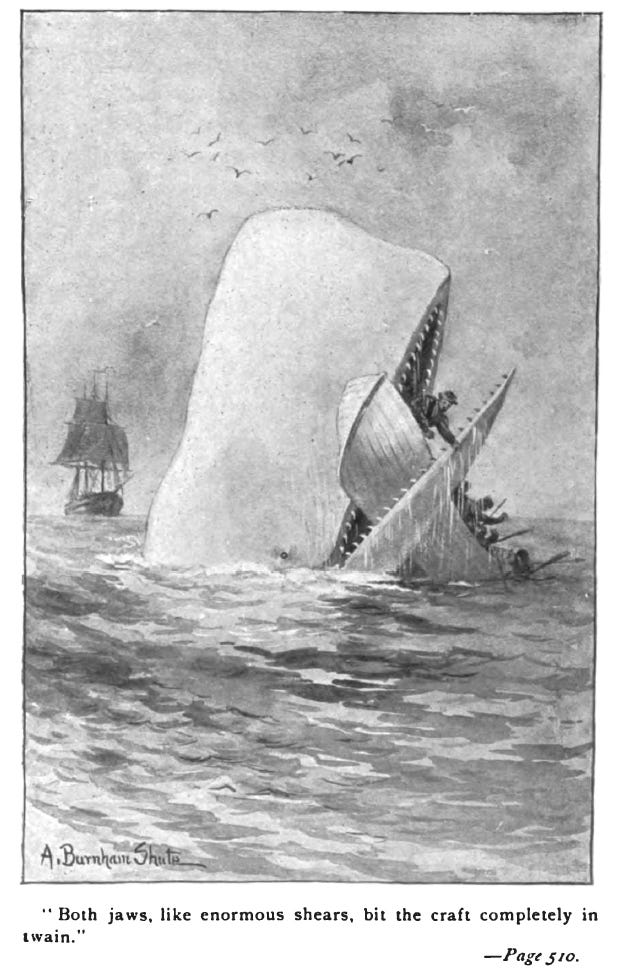
What everyone calls purity becomes an abyss.
Stéphane Mallarmé goes further. In A Throw of the Dice Will Never Abolish Chance, white is no longer background. It becomes text. The silences count. The spaces interrupt. Resist. White acts. You no longer pass through it. You read it. You stumble.
Withdrawal in Barthes. Architecture in Mallarmé. Absence becomes pressure.
The blank page of innocence. Skin without mark. Without age. Without history. The body held in that before-state — before time, before the mark, before life imprints itself. This white has run through literature for centuries. It runs through the news as well.
Nabokov looks at it. Lolita is built on this desire: the little girl as white surface that the adult gaze wants to possess before she becomes something else. Before she gets dirty, grows old, acquires a thickness of her own. Humbert Humbert does not want a woman. He wants this white. The unaltered. The still intact. Nabokov knows this. He shows it. He does not absolve it.
Literature names. Reality funds it.
Proust gathers his young girls in bloom at the precise moment they are about to cease to be so. Balzac does the same. The entire nineteenth century treats female youth as a perishable commodity, to be consumed before colour returns, before life leaves its marks. This desire is not new. But it has changed in scale.
The Epstein files. Lists. Names. Islands. Planes. Men protected by their money, their networks, their whiteness — that whiteness too, the whiteness of privilege that needs no justification, that moves without being stopped, that buys its own invisibility. This is no longer fiction. It is organised impunity.
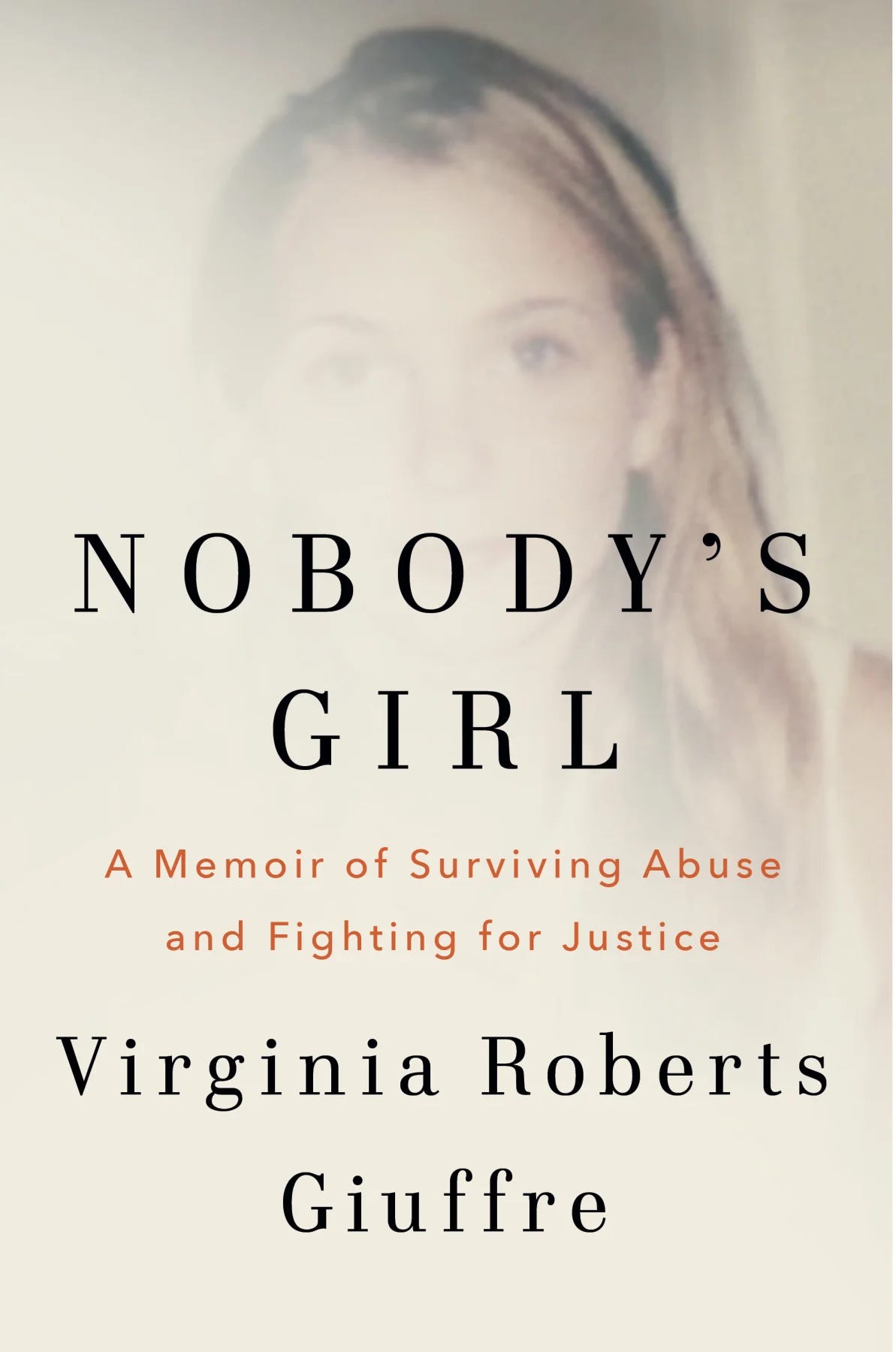
And the bodies desired in this canon, literary and real, are almost always white. Young white femininity as universal aesthetic standard. As though purity had a race. The crime has its criteria.
This is not an accident. It is a construction. An exclusion. A market. A target.
And this market is lucrative. A scalpel with a promise: the return to innocence, to the before-state. Skin without mark. The blank page.
The body, like the page, nevertheless calls for its own defilement. But we pursue the illusion anyway. Nelly Arcan, Britney Spears, Marilyn, they left their skin, their health, their lives there. Everyone pretends not to see that it is the same impulse. That the fiction and the private island share the same fundamental desire: the desire to have what one should not have.

There is also a white that goes unseen because it is everywhere. This white possesses and dominates. It is not a colour. It is a position. A centre that does not recognise itself as a centre. A norm that mistakes itself for the universal. To be white, in the colonial order, is to be the page: transparent, neutral, self-evident — while others are the text that is read, judged, translated.
Frantz Fanon named it plainly. Black Skin, White Masks: white as imposed language, as civilisation decreed universal, as a mask forced onto the face of the colonised. The colonised who must whiten to exist in the other’s gaze. Who must erase their colour to access humanity as white defines it. Whiteness as the condition of entry.
Toni Morrison did the same work on the literary side. In Playing in the Dark, she shows that the whiteness of the American canon is not an absence of colour — it is a colour that conceals itself. That operates in silence. That decides what is universal, what is literature, what counts. Whiteness as power that does not need to name itself because it has already won.


The blank page is not neutral. It has a history. A race. A language.
And Melville resonates differently now. The white whale as blind force that crushes everything in its path without even knowing it. That does not turn back. That explains nothing. That does not have to.
That too is white. What does not have to justify itself.
The white we believed neutral, virgin, and pure — literature cracks it open. Turns it over. Forces it to speak. Because that is its work: to look underneath.
The blank page calls for the stain. It exists only in tension toward what will break it.
Innocence carries its own ruin from the start.
What does it say about us, this need to scratch the surface with the tip of a pen? To break this white. To shatter it. To paint it. To mark it?
Ink.
From the beginning.
More colours

